Why Matching Music BPM to Movement Cadence Improves Performance More Than Just Picking Motivating Songs
Building a workout playlist around songs that feel motivating or energizing misses a more direct performance lever: matching the music’s actual tempo, measured in beats per minute, to the cadence of the movement itself, which has a documented effect on pacing and perceived effort beyond whatever mood the song creates.

Why Tempo Synchronization Between Music and Movement Produces a Measurable Performance Effect Beyond Mood
The synchronization mechanism: the the-body-tends-to-unconsciously-sync-movement-rhythm-to-a-strong-external-beat-when-one-is-present (the a documented tendency for movement cadence to entrain to music tempo rather than staying entirely independent of it — the body-unconsciously-syncs-movement-to-external-beat), the the-a-bpm-that-matches-natural-movement-cadence-can-reduce-perceived-effort-at-the-same-actual-workload (the the same physical effort feeling subjectively easier when the external rhythm supports rather than conflicts with it — the matched-bpm-reduces-perceived-effort-at-same-workload), the the-a-mismatched-tempo-can-actually-pull-cadence-away-from-an-efficient-pace-in-either-direction (the music with the wrong tempo working against efficient movement rather than simply being neutral background sound — the mismatched-tempo-pulls-cadence-away-from-efficient-pace), and the reframe (BPM functioning as a real performance variable through its effect on movement synchronization and perceived effort, not simply as a mood-setting soundtrack choice)).

The Specific BPM Ranges Suited to Different Workout Types
The actual guidance: the running-cadence-generally-benefits-from-music-in-the-roughly-160-to-180-bpm-range-matching-common-efficient-stride-rates (the a range that lines up with widely observed efficient running cadence for a lot of runners — the running-benefits-from-160-to-180-bpm-range), the the-steady-state-cardio-like-cycling-or-the-elliptical-can-use-a-similarly-matched-approach-tied-to-pedal-or-stride-rate-specifically (the the same cadence-matching logic applying to other rhythmic cardio modalities, not just running — the steady-state-cardio-uses-matched-approach-tied-to-own-rate), the the-strength-training-doesnt-have-the-same-continuous-cadence-to-match-so-bpm-matters-less-there-than-for-rhythmic-cardio (the a movement type without a continuous rhythmic cadence meaning the tempo-matching benefit doesn’t apply the same way — the strength-training-bpm-matters-less-no-continuous-cadence), and the frame (160 to 180 BPM as a general running range, a similarly matched approach for other steady-state cardio, and reduced BPM relevance for strength training where there’s no continuous cadence to sync to — guidance specific to workout type rather than one universal number).
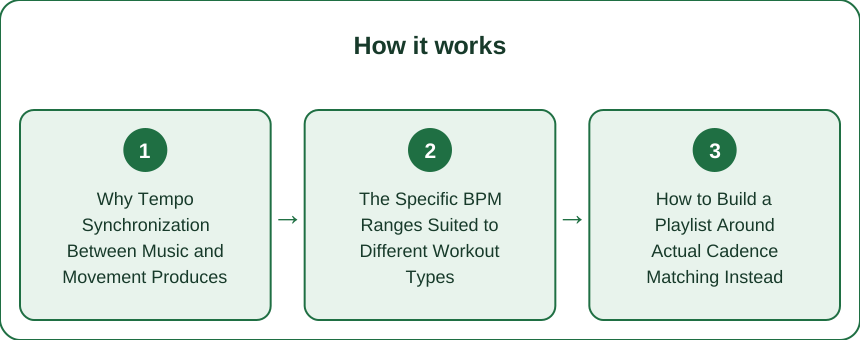
How to Build a Playlist Around Actual Cadence Matching Instead of Just Favorite Songs
The practical playlist-building approach: the measure-actual-personal-cadence-during-a-typical-run-or-cardio-session-using-a-fitness-tracker-or-simple-manual-count (the establishing a real personal number rather than assuming a generic range applies exactly — the measure-personal-cadence-with-tracker-or-manual-count), the the-search-or-filter-music-by-bpm-using-existing-playlist-tools-or-apps-designed-for-that-purpose (the using available tools built specifically for this rather than guessing tempo by ear — the use-bpm-filtering-tools-not-guessing-by-ear), the the-still-prioritize-genuinely-enjoyable-songs-within-the-matched-bpm-range-rather-than-choosing-tempo-over-all-other-preference (the combining both factors rather than treating BPM matching as a replacement for actually liking the music — the prioritize-enjoyable-songs-within-matched-range-not-instead-of-preference), and the frame (measuring personal cadence, using BPM-filtering tools to find matching music, and still prioritizing genuinely enjoyable songs within that matched range — a playlist-building process that adds cadence matching as a real factor without abandoning personal music preference entirely).
Building a workout playlist around songs that feel motivating misses a more direct performance lever: the body tends to unconsciously sync movement rhythm to a strong external beat, so a BPM that matches natural movement cadence can reduce perceived effort at the same actual workload, while a mismatched tempo can actually pull cadence away from an efficient pace rather than staying neutral background sound. Running generally benefits from music in the roughly 160 to 180 BPM range matching common efficient stride rates, other steady-state cardio like cycling can use the same cadence-matching logic tied to its own rate, and strength training has less BPM relevance since there’s no continuous rhythmic cadence to sync to. Build a playlist around that by measuring actual personal cadence during a typical session with a fitness tracker or simple manual count, using BPM-filtering tools to find matching music rather than guessing tempo by ear, and still prioritizing genuinely enjoyable songs within that matched range rather than choosing tempo over personal preference entirely.
Keep Reading
This article is for general informational and styling purposes only. Fit, sizing, and product availability may vary.